

Migraine Epidemiology, Diagnosis, and Preventive Gaps


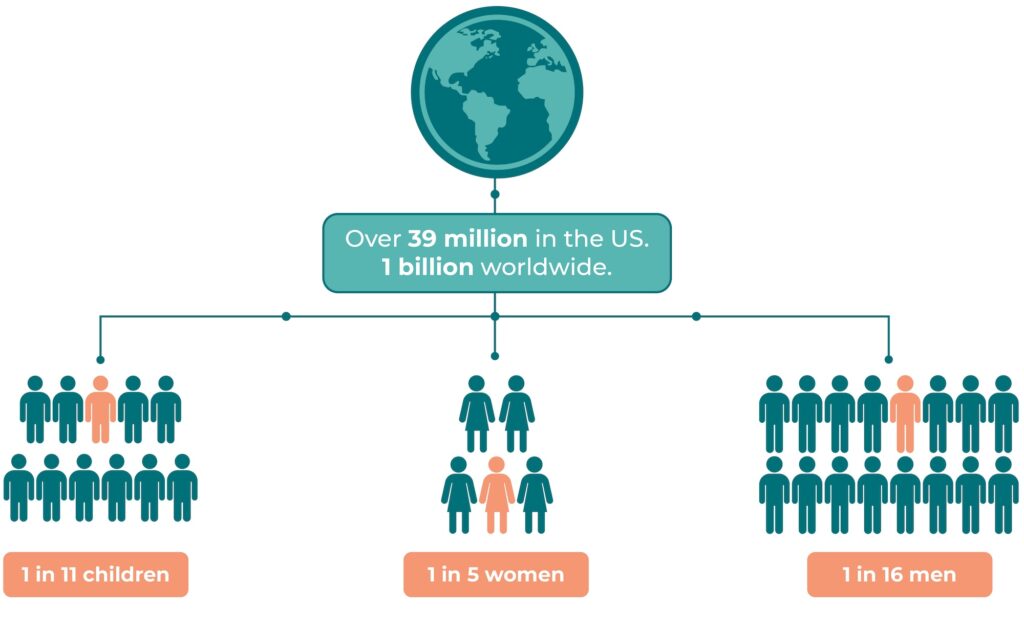
Migraine is a highly prevalent and disabling neurological disorder affecting over 1 billion people globally, and more than 39 million individuals in the United States.
It is the second leading cause of years lived with disability and disproportionately affects women and adolescents.
Despite its impact, migraine remains underdiagnosed and undertreated, particularly in primary care settings.
The International Classification of Headache Disorders (ICHD-3) provides formal criteria for diagnosis, requiring ≥5 attacks of unilateral, pulsating headache lasting 4–72 hours with associated nausea and/or sensory sensitivity.
Clinical tools like the ID-Migraine™ screener enable fast and accurate recognition: patients answering “yes” to 2 of 3 core symptoms (nausea, photophobia, functional disability) have a 93% likelihood of migraine. Preventive treatment is indicated for patients with ≥4 monthly headache days or significant disability. However, many standard preventive agents (e.g., beta blockers, antidepressants, anticonvulsants) suffer from poor adherence due to tolerability and safety concerns.
Calcitonin Gene-Related Peptide (CGRP)-targeting treatments—such as erenumab, galcanezumab, fremanezumab, eptinezumab, atogepant, and rimegepant—have emerged as effective and well-tolerated options for migraine prevention.
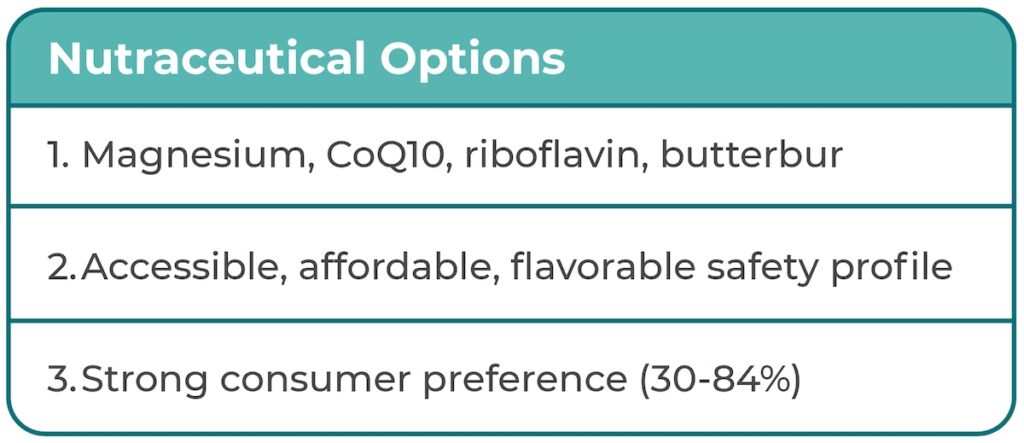
However, their widespread use remains limited by high cost, restricted insurance coverage, and a lack of long-term safety data beyond seven years. In contrast, nutraceuticals like magnesium, CoQ10, riboflavin, and butterbur offer a more accessible and affordable approach, with a favorable safety profile and strong consumer preference for non-pharmacologic therapies.
Sources
- American Academy of Neurology Journal reference: Ramos, A. R., et al. (2024). Sleep Disordered Breathing and Subsequent Neuroimaging Markers of Brain Health in Hispanic/Latino Adults. Neurology. doi.org/10.1212/wnl.0000000000210183.
- https://www.qulipta.com
- https://www.drugs.com/qulipta.html
Most Read

Migraine with Aura: How to reduce daily impact and long-term health risks
Migraines with aura are not just painful—they carry significant health risks, including an increased likelihood of stroke, seizures, blood clots, and heart attacks, especially for women. Aura symptoms, such as visual disturbances, tingling sensations, or speech difficulties, are linked to neurological waves in the brain, triggered by factors like stress, hormonal changes, and nutrient deficiencies.

Alternative Therapies
2 Aug 2024
7 min read
Butterbur for Migraine: Prevention, effectiveness, and safety
Do you suffer from migraines that interfere with daily life? Have you tried every medication and remedy under the sun with no success? While there are numerous pharmacological treatments available for migraine prevention and relief, many individuals seek alternative or complementary therapies to manage migraine symptoms. Butterbur is one of the most-studied and most-effective natural […]

Natural Remedies
2 Aug 2024
5 min read
Can weather cause migraine headaches? A forecast for fewer headache days
For centuries, individuals afflicted with migraines have reported a curious phenomenon: their headaches seem to wax and wane with changes in the weather. From the onset of a storm, to shifts in temperature, humidity or barometric pressure, the connection between migraine and weather has long captured the attention of scientists and sufferers alike. In this […]

Alternative Therapies
2 Aug 2024
8 min read
Managing Migraines at Work: Strategies and Considerations
Migraines are debilitating neurological conditions that can significantly impact an individual’s ability to function, both at home and in the workplace. Managing migraine symptoms while trying to maintain a career can be challenging. In this article, we will explore your rights and responsibilities in the workplace, plus practical strategies for managing migraines at work and […]